
Camden STEAM work experience week a huge success as over 400 students engaged
From 8 to 12 July, Camden STEAM teamed up with world-leading companies and institutions - including Google, AstraZeneca, Digital Catapult and UCL - to deliver work experience placements for over 400 students.
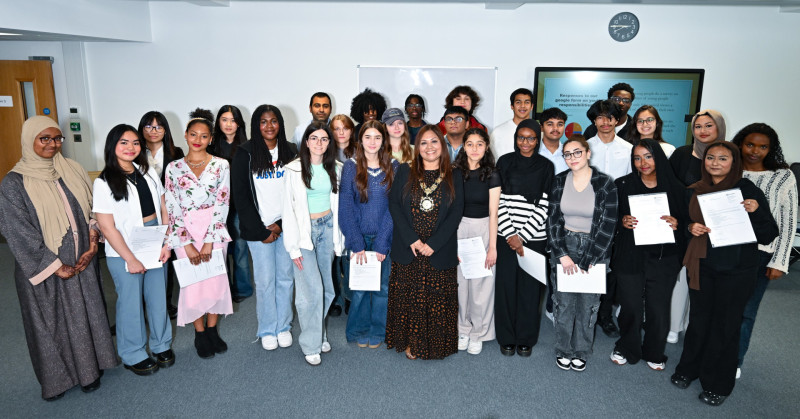
This year’s work experience week was the most successful yet, with over 400 Year 12 students from across Camden’s secondary schools and college engaged.
Organised by Camden Learning’s STEAM team, the work experience programme aims to provide local students with hands-on experience at a range of top STEAM (science, technology, engineering, arts and maths) employers across the borough, including Camden Council services, AutogenAI, Phoenix Court and more, and help young people gain key skills needed to help them in a future career.
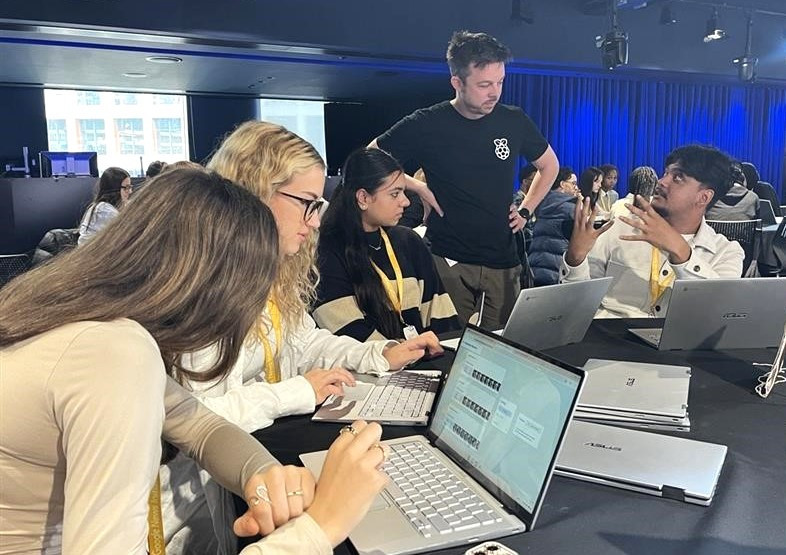
During the week, Google hosted over 100 young people at their headquarters in King’s Cross, giving students the chance to work closely with mentors and architects and collaborate on the new Google building, which is taking shape near to their current offices. It's the third year running that the tech giant has welcomed students to their headquarters, having also been a key participant in the virtual work experience programme for two years before that during the pandemic.
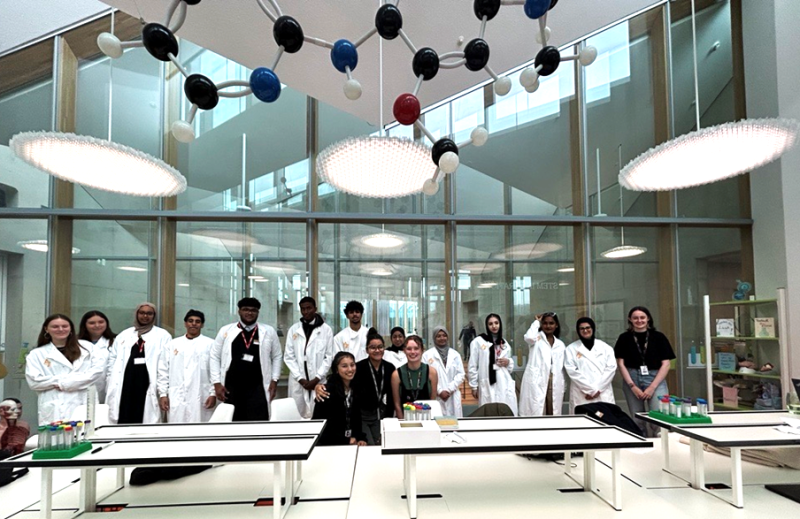
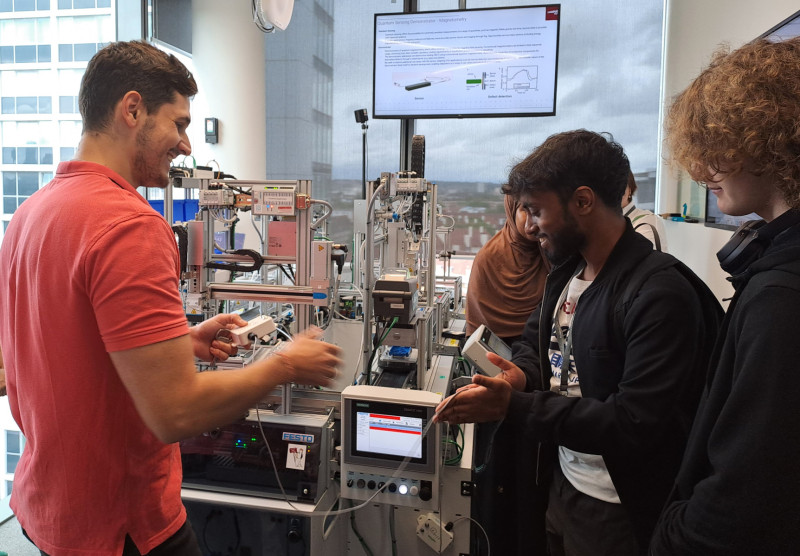
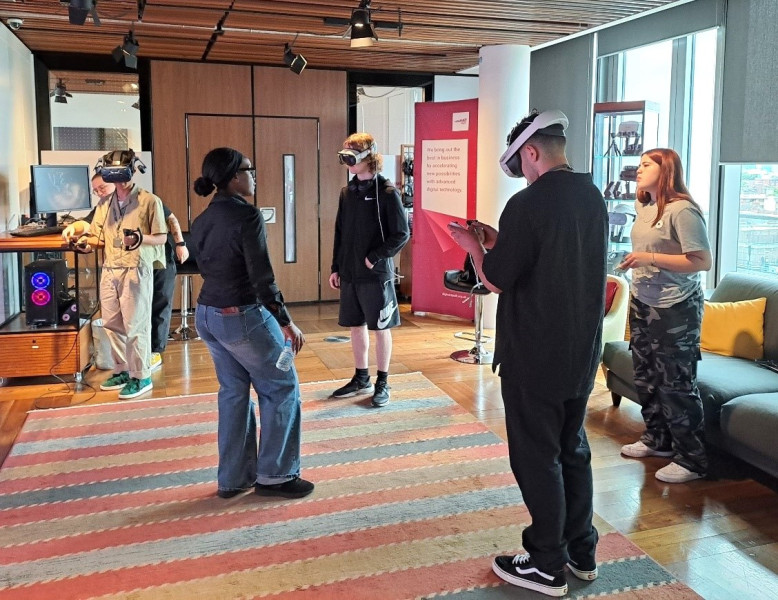
Technology company, Digital Catapult, also opened their doors to students to learn about various roles and skills, with students participating in exciting specialist workshops on the Internet of Things, immersive technology and lab skills.
UCL Biomedical Sciences provided students with an incredible opportunity to explore the role of research scientists, with activities such as studying 3D images of a mouse brain, using microscopy to study green fluorescent protein found in jellyfish, and writing their own research proposals on the genetic modification of mosquitoes to combat malaria.

Our priority as a Council is to give our young people the very best start in life and the tools to succeed in the future. Camden STEAM’s work experience programme is a brilliant way of connecting young people to the many world-leading companies we have in the borough, playing a significant role in shaping the futures of the participating students and supporting them to learn more about Camden's thriving STEAM economy.


A huge thank you to everyone involved in making this programme such a great success. To the dedicated career leads and teachers who encouraged students to sign up and helped them prepare for these invaluable placements, to the employers for their commitment to designing and delivering such diverse and impactful work experience placements for many students, and to partners Speakers for Schools, who provided essential support in the administration of the week. This transformative programme makes a huge difference to so many young people in Camden.
Research suggests that young adults who have had engagement with the workplace as teens can earn higher wages in the future. With the support of Camden businesses, institutions and schools, Camden STEAM continues to break barriers, preparing Camden's diverse youth for the careers of tomorrow.
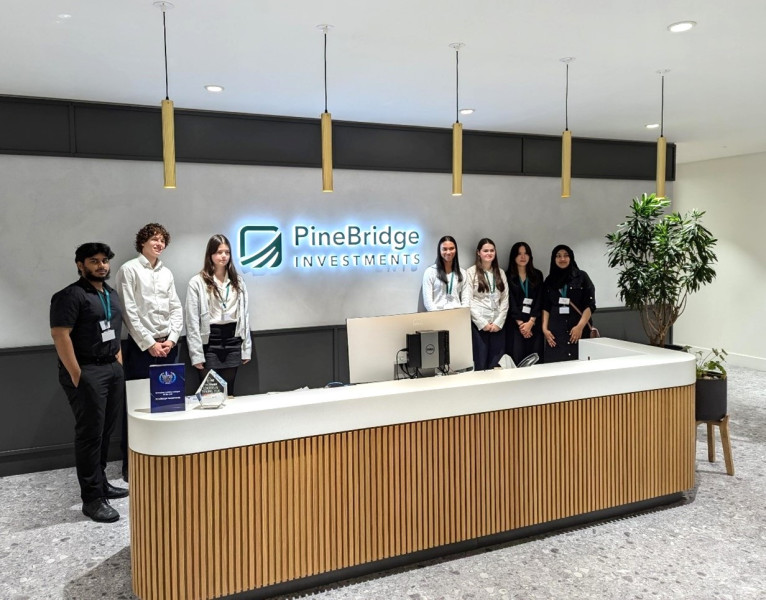
A total of 32 employers participated in the STEAM Work Experience programme: AstraZeneca, AutogenAI, Arup, Bennetts Associates, Bam Nuttall, British Land, British Library, Cadent, Camden Council Inclusive Economy Service, Camden Council Digital and Data Services, Camden Spark (Universal Music, Phoenix Theatre, Roundhouse, October Gallery, Celebro Media, London Film School), Digital Catapult, Google, Hoare Lea, LabTech, Phoenix Court, Models 1, Moonbug Entertainment, Piercy & Co, PineBridge, SCS Railways, St George PLC, UCL Special Collections, UCL Biosciences, Arup Integrated City Planning (ICP), the Francis Crick Institute.
- To contact the Camden STEAM Team, please email: steampledge@camden.gov.uk
- For more information Camden STEAM, visit camden.gov.uk/camden-steam